



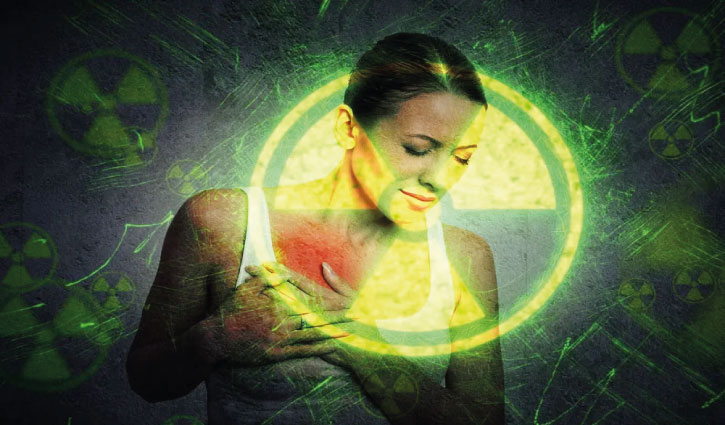
What is Radiation? Radiation is the process by which energy is emitted in the form of waves or particles from a source. It encompasses a broad spectrum of electromagnetic waves and particles, each characterized by its unique energy level and frequency. Radiation is present in various aspects of daily life, from natural sources like the sun to man–made technologies such as X–rays and nuclear reactors. Understanding the types of radiation and their potential impact is crucial for ensuring safe and controlled usage.
Types of Radiation
1. Ionizing Radiation
- Sources: X-rays, gamma rays, alpha and beta particles.
- Effect: Causes ionization in cells, influencing genetic material.
2. Non-Ionizing Radiation
- Sources: Microwaves, radio waves, infrared, and ultraviolet rays.
- Effect: Typically induces thermal effects rather than ionization.
Effects of Radiation
Immediate Symptoms
- Nausea and vomiting.
- Headaches.
- Loss of appetite.
- Fatigue and weakness.
Delayed Effects
- Cellular damage and increased risk of cancer.
- Reduction in blood cell count.
- Skin burns and rashes.
Protection and Control
- Radiation sources must be used with caution and adhere to safety protocols.
- Medical radiation applications should follow accurate dosage and guidelines.
- Industrial applications require the use of protective equipment, and workers should be aware .
Conclusion
While radiation plays a significant role in various technological and medical advancements, its potential risks . A comprehensive understanding of radiation types, effects, and symptoms is crucial for mitigating health risk. Continuous education, adherence to safety standards, and advancements in technology contribute to .
Click for more information!