



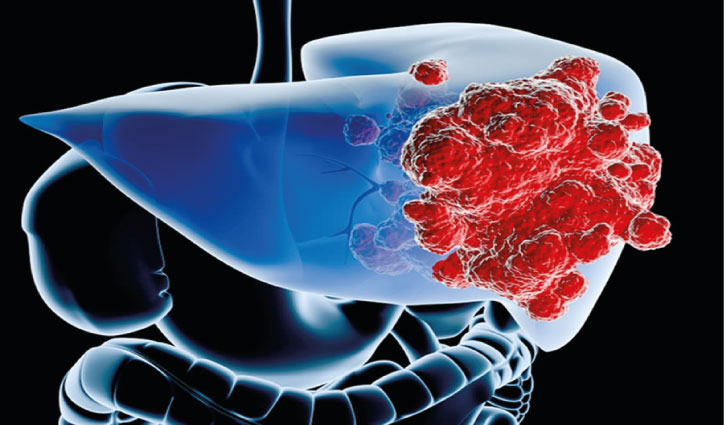
What is Hepatocellular Carcinoma? Hepatocellular carcinoma (HCC) is a type of liver cancer that originates from liver cells. The epidemiological and clinical characteristics of HCC may vary depending on several factors. Here is a long detailed description of the epidemiological and clinical features of patients with hepatocellular carcinoma: Certainly, here is a detailed explanation of the epidemiological and clinical aspects of patients with Hepatocellular Carcinoma (HCC):
Risk Factors:
- Hepatitis B and C Viruses: Chronic hepatitis B and C infections are major contributors to HCC. These viruses induce chronic inflammation in the liver, leading to an increased risk of developing HCC.
- Alcohol Abuse: Excessive alcohol consumption accelerates the development of cirrhosis in the liver, subsequently increasing the risk of HCC.
- Aflatoxin Exposure: Aflatoxin, a toxin produced by certain molds, can be present in certain foods. Prolonged exposure to aflatoxin is associated with an elevated risk of HCC.
- Non-alcoholic Fatty Liver Disease (NAFLD): NAFLD, associated with obesity and metabolic syndrome, is becoming a growing cause of HCC.
Geographical Distribution:
- Asia and Africa: Regions with a high prevalence of hepatitis B virus, such as Asia and Africa, exhibit a higher incidence of HCC.
- Western Countries: In Western countries, the increasing incidence of HCC is often associated with hepatitis.
- Genetic Factors:
- Certain genetic predispositions can influence an individual’s susceptibility to developing HCC.
Clinical Features:
- Early Signs and Symptoms:
- HCC is often asymptomatic in its early stages. However, as the tumor progresses or the liver enlarges, symptoms may manifest.
- Early symptoms may include fatigue, loss of appetite, weight loss, and mild abdominal pain.
- Advanced Stage Symptoms:
- In advanced stages of HCC, patients may experience significant abdominal pain, jaundice, edema (swelling).
- Diagnosis and Staging:
- Diagnosis of HCC typically involves imaging studies such as CT scans, MRI, and PET scans.
- Staging is determined based on the tumor size, extent of spread, and liver function.
- Treatment Options:
- For early-stage HCC, local treatments like surgical resection, radiofrequency ablation, or liver .
- Advanced-stage HCC may be managed with chemotherapy, targeted therapies, immunotherapy, and palliative care.
The management of patients with Hepatocellular Carcinoma requires a multidisciplinary approach, taking into account the . Early diagnosis is crucial for more effective treatment outcomes.
Click for more information!




 is a type of liver cancer that originates from liver cells. The epidemiolog .)