


Protecting from Infections: The Importance of Hygiene and Vaccinations Infections are generally diseases that occur as a result of microorganisms (such as bacteria, viruses, fungi or parasites) entering the body and multiplying. Infections may occur when the immune system is weak or when defense mechanisms against the entry of pathogenic microorganisms into the body are inadequate.

Introduction to Infections: Understanding, Types, and Prevention
Infections are the result of the invasion and multiplication of microorganisms within the body. These microorganisms can include bacteria, viruses, fungi, and parasites. Infections can occur when the immune system is compromised or when the body’s defense mechanisms are inadequate.
Types of Pathogens:
- Bacteria:
- Single-celled microorganisms with diverse species. Examples include streptococcus and staphylococcus bacteria.
- Viruses:
- Microscopic particles containing DNA or RNA that depend on living cells for reproduction. Examples include the influenza virus and HIV.
- Fungi:
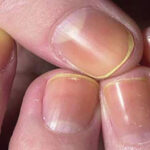
- Organisms that can cause infections on the skin, nails, or mucous membranes.
- Parasites:
- Organisms such as worms, leeches, and spiders that can cause infections either internally or externally.
Modes of Infection:
- Direct Contact:
- Infections can spread through direct contact with an infected person.
- Airborne Transmission:
- Viruses and bacteria can spread through the air, especially in crowded or enclosed spaces.
- Water and Food:
- Consuming contaminated water or food can lead to infections.
- Vectors:
- Infections can be transmitted through vectors like mosquitoes and ticks.
Symptoms of Infections:
- Advertisement -
Symptoms can range from general, such as fever, fatigue, and headache, to specific symptoms depending on the type of infection.
The Immune System:
The immune system is the body’s defense mechanism against infections. It consists of innate and adaptive immunity.
Treatment and Prevention:
- Antibiotics, antiviral drugs, and antifungal medications are commonly used in the treatment of infections.
- Preventive measures include practicing good hygiene, getting vaccinated, and maintaining a healthy lifestyle.
Common Types of Infections:
- Respiratory Infections:
- Influenza, the common cold, pneumonia.
- Gastrointestinal Infections:
- Diarrhea, vomiting, stomach infections.
- Sexually Transmitted Infections (STIs):
- HIV, chlamydia, syphilis.
- Skin Infections:
- Fungal infections, cellulitis.
Global Impact of Infections:
Infections can have significant social and economic consequences, affecting communities and healthcare systems worldwide.
Understanding infections, their causes, and preventive measures is crucial for maintaining public health. Through proper education, vaccination campaigns, and ongoing research, the global community can work together to reduce the impact of infections on individuals and societies.
Click for more information!