



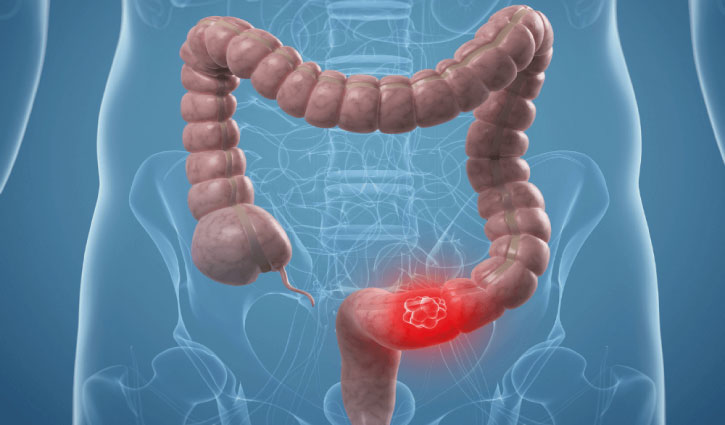
Stomach cancer is a type of cancer characterized. Abnormal cell growth and proliferation in stomach tissues. Stomach cancer usually begins on the inner surface of the stomach, that is, the gastric mucosa. It progresses, it can spread to other stomach layers and surrounding tissues. Symptoms usually appear in advanced stages of the disease, so early diagnosis is important.
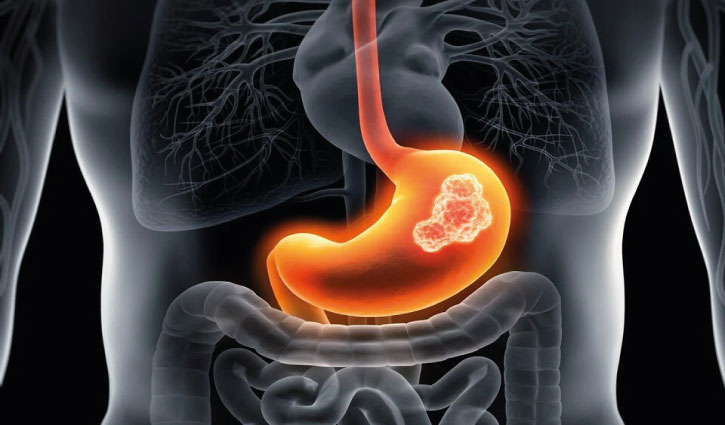
Symptoms:
- Dyspepsia (Stomach Discomfort): Symptoms like stomach pain, bloating, acid reflux, indigestion are commonly observed.
- Nausea and Vomiting: It can occur especially after meals or on an empty stomach.
- Loss of Appetite and Weight Loss: Sudden weight loss, loss of appetite. General feeling of weakness are common symptoms.
- Stomach Bleeding: Bloody vomiting or dark-colored stools may appear in advanced stages of stomach cancer.
- Fatigue and Weakness: Cancer consumes energy in the body. Leading to a general feeling of fatigue.
- Difficulty Swallowing (Dysphagia): It may occur if the tumor obstructs the stomach outlet or compresses the esophagus.
- Abdominal Swelling and Pain: Swelling may occur as the tumor grows or spreads to surrounding tissues.
These symptoms do not always mean stomach cancer, but it is important to consult a doctor. Especially if more than one symptom is noticed. Stomach cancer risk factors include Helicobacter pylori infection. Excessive alcohol consumption, smoking, excessive consumption of salty or processed foods, obesity and family history. With early diagnosis and treatment, the chance of treating stomach cancer increases.
Treatments:
The treatment of stomach cancer varies depending on the stage, type, extent of spread, and the patient’s overall health. It typically involves a multidisciplinary approach and may include:
- Surgical Treatment: Surgical interventions aimed at removing the tumor. This can vary depending on the regions affected by cancer and its stage.
- Radiation Therapy: Using high-energy rays to kill cancer cells. Radiation therapy can be administered before or after surgery.
- Chemotherapy: Medications used to kill cancer cells or control their growth. It can be used alone or in combination with surgery and radiation therapy.
- Targeted Therapies: Drugs that target specific molecules or proteins, directly affecting cancer cells.
- Immunotherapy: Treatment methods that enhance the immune system to help the body fight cancer.
- Palliative Care: Treatment focused on managing symptoms. Providing relief to improve the patient’s quality of life.
The success of stomach cancer treatment depends on early diagnosis. Appropriate treatment selection, and the patient’s overall health. Therefore, seeking medical attention when symptoms are noticed. Participating in regular health screenings are essential.
- Advertisement -
Click For More Information!!