



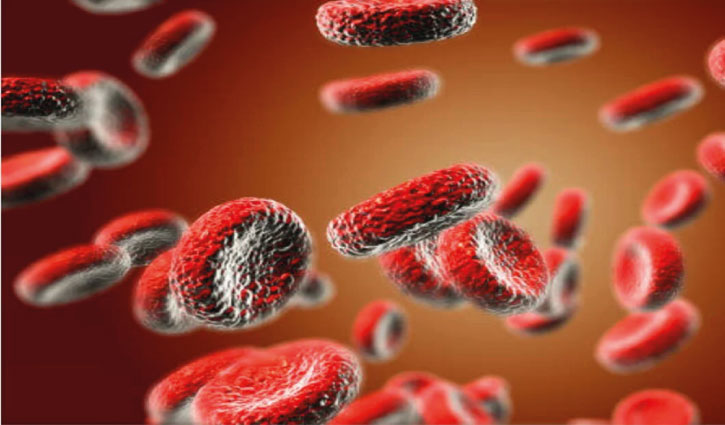
Anemia, is a condition where an insufficient amount of healthy red blood cells is produced in the body. These cells fail to perform their normal functions. Red blood cells play a crucial role in transporting oxygen to the body. Removing carbon dioxide from tissues. Anemia results in a lack of adequate oxygen transport to the body’s tissues, leading to fatigue and energy production issues.
Types of Anemia:
- Iron-Deficiency Anemia: The most common type, caused by a lack of iron. Essential for red blood cell production.
- Vitamin B12 Deficiency Anemia: Inability to produce red blood cells due to a deficiency in vitamin B12. Which plays a vital role in bone marrow cell development.
- Folate Deficiency Anemia: Lack of folate (B9 vitamin) affecting red blood cell production. Found in green vegetables, legumes, and grains.
- Hemolytic Anemia: Premature breakdown of red blood cells, caused by genetic factors or certain diseases.
- Aplastic Anemia: Inability of the bone marrow to produce an adequate amount of blood cells. It can be associated with genetic factors, radiation, or specific medications.
Symptoms:
- Fatigue and Weakness: Insufficient oxygen in the body leads to persistent fatigue and weakness.
- Pale Skin and Mucous Membranes: Paleness in the skin is a clear sign of reduced red blood cell count.
- Dizziness and Headaches: Lack of oxygen may result in dizziness and headaches.
- Shortness of Breath: Inability to transport enough oxygen may cause shortness of breath.
- Rapid Heartbeat: The heart may beat faster to compensate for oxygen deficiency.
- Cold Hands and Feet: Poor circulation can lead to a cold sensation in extremities.
- Digestive Issues: Anemia can cause irregularities in the digestive system. Leading to loss of appetite and weight loss.
- Headache and Dizziness: Oxygen deficiency may result in headaches and dizziness.
- Ringing in the Ears (Tinnitus): Anemia may manifest as a ringing sensation in the ears.
Risk Factors:
- Menstruating women.
- Pregnancy.
- Deficiency in iron, B12, or folate.
- Chronic diseases.
- Genetic factors.
Diagnosis and Treatment:
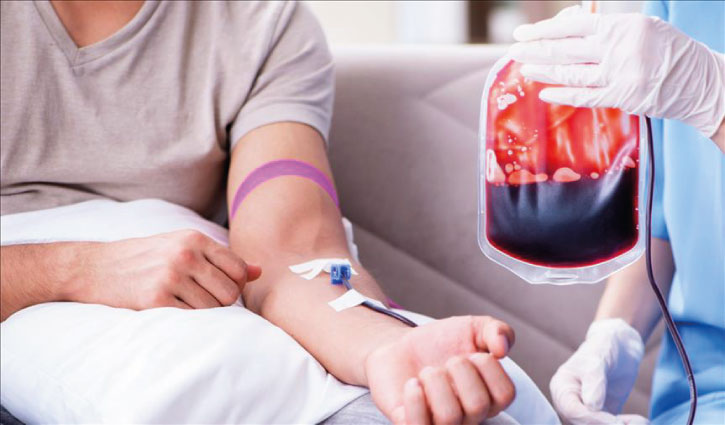
Diagnosis involves blood tests, bone marrow biopsies, and other medical imaging techniques. Treatment may include iron, B12, or folate supplements based on the underlying cause. Blood transfusions, medications, and lifestyle changes are also among the treatment options.
Symptoms of anemia can vary depending on the specific type. Seeking the advice of a healthcare professional for diagnosis and treatment is crucial.
Click For More Information!!