



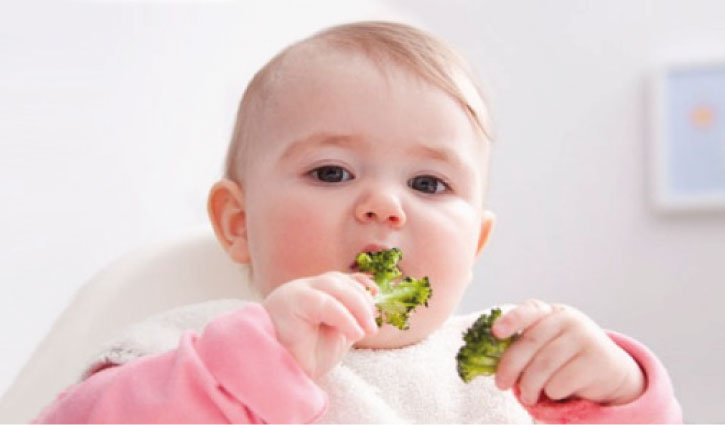
Babies’ Transition To Complementary Food: Introducing solid foods to babies is an important milestone that usually begins around the 6th month of life. Here is a detailed guide on the gradual transition of babies to solid foods:
Determine the Right Time:
- Generally, it is recommended to start introducing solid foods around 6 months of age. However, it’s crucial to observe your baby’s development and readiness.
- Signs that she is ready include holding her head upright, sitting with support, showing a chewing reflex, grasping objects with her hands, or pushing food out of her mouth.
Consult with Your Pediatrician:
- Discussing the timing of introducing solid foods with a pediatrician is important. They can evaluate your baby’s health and development to provide personalized advice on when to start.
Choose Basic Foods:
- Start with vegetables as they are rich in essential vitamins and minerals. Vegetables like carrots, potatoes, and broccoli are good choices.
- After introducing vegetables, you can gradually incorporate fruits. Opt for peeled and mashed fruits initially.
Introduce Foods One at a Time:
- Before introducing a new food, it’s advisable to offer only one type of food for a few days to monitor for any allergic reactions.
Texture and Consistency:
- Initially, provide pureed foods, and as your baby develops chewing skills, you can progress to more textured foods.
Establish Regular Feeding Times:
- Creating a consistent feeding schedule is important when starting solid foods.
Continue Breastfeeding or Formula Feeding:
- While introducing solid foods, it’s essential to continue breastfeeding or formula feeding to ensure your baby receives the necessary nutrients. Solid foods should complement, not replace, breast milk or formula.
Offer Water:
- Alongside solid foods, remember to offer water. Be mindful not to give excessive amounts, and always consider your baby’s age and individual needs.
Maintain Patience:
- Be patient as your baby adjusts to new tastes and textures. Some babies may take time to accept new foods.
Watch for Allergies:
- Be vigilant for signs of allergic reactions when introducing new foods. Common allergenic foods include nuts, eggs, dairy, and seafood.
Regular communication with your pediatrician during this process is highly recommended.
Click for more information!