



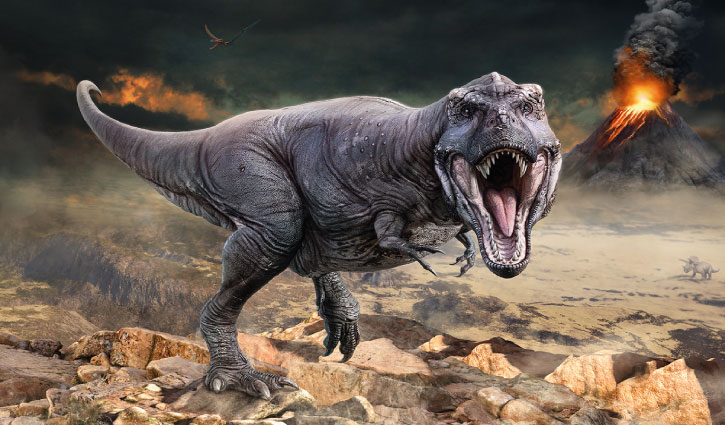
Why Dinosaurs Extinct: The extinction of dinosaurs is a topic still subject to considerable debate within the scientific community. However, the widely accepted view is that a massive global extinction event known as the Cretaceous-Paleogene (K-Pg) Extinction, caused by the impact of a large asteroid or comet, led to the demise of the dinosaur lineage around 66 million years ago.
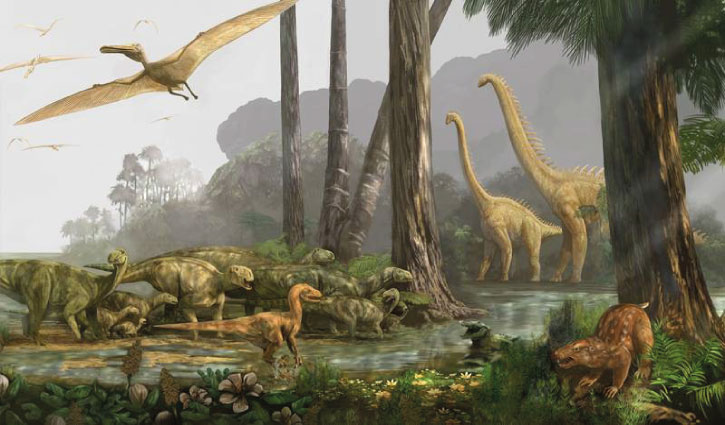
Why Dinosaurs Extinct:
1. Asteroid Impact:
- The Chicxulub Crater in the Yucatan Peninsula of Mexico is associated with a massive asteroid impact approximately 66 million years ago. This event triggered extensive wildfires, tsunamis, and climate changes. Atmospheric particles resulting from the impact blocked sunlight, causing global cooling and significant disruptions to ecosystems.
2. Global Climate Changes:
- Wildfires and smoke from the impact caused an increase in atmospheric dust and particles. This blocked sunlight, leading to a drop in temperatures and adverse global climate conditions, impacting many plant and animal species.
3. Disruption of Food Chains:
- Reduced sunlight due to atmospheric changes led to a decline in photosynthesis, affecting the base of the food chain. This decline in plant life affected herbivores and, subsequently, carnivores, disrupting the food chain on a global scale.
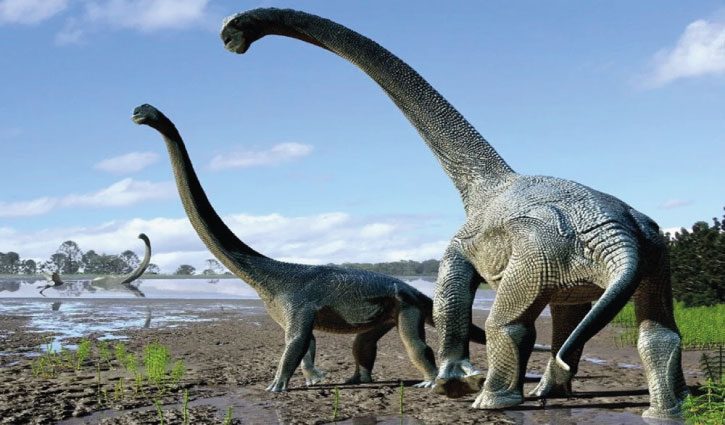
4. Extinction and Competition:
- Large dinosaur species may have faced increased competition for limited food and water resources. Interspecies competition could have made it challenging for dinosaurs, both herbivorous and carnivorous, to sustain their populations.
5. Breakdown of the Ecosystem:
- The profound environmental changes caused by the asteroid impact led to the breakdown of ecosystems. This affected the viability of many species, contributing to the overall decline of dinosaur populations.
Successors of Dinosaurs:
1. Birds:
- Modern birds are considered direct descendants of dinosaurs, particularly theropods. Over time, some dinosaur species evolved into the diverse array of bird species present today.
2. Mammals:
- The extinction event provided an opportunity for mammals to thrive. Small size and nocturnal hunting abilities allowed mammals to survive in challenging conditions.
3. Reptiles:
- Certain reptile species, such as crocodiles and alligators, managed to survive the extinction event. These reptiles represent distant relatives of the dinosaurs that persisted through the mass extinction.
4. Marine Life:
- Some marine species, including fish and invertebrates, survived the K-Pg Extinction. Went on to evolve into various marine life forms present today.
The extinction of dinosaurs is intricately linked to the catastrophic Chicxulub impact event. Resulting in global environmental changes. While many dinosaur species perished, some evolved into birds, which are considered their direct descendants. The extinction event allowed other groups, including mammals. Reptiles, to thrive and fill ecological niches, shaping the diverse ecosystems we observe today.
Click For More Information!!



