



What is the Mummification Method in Egypt? In ancient Egypt, the method of mummification was used to preserve the body of the dead and prepare it for the afterlife. This process focuses on preparation for the afterlife and the safe passage of the soul of the deceased. Here is detailed information about the mummification method in Egypt:
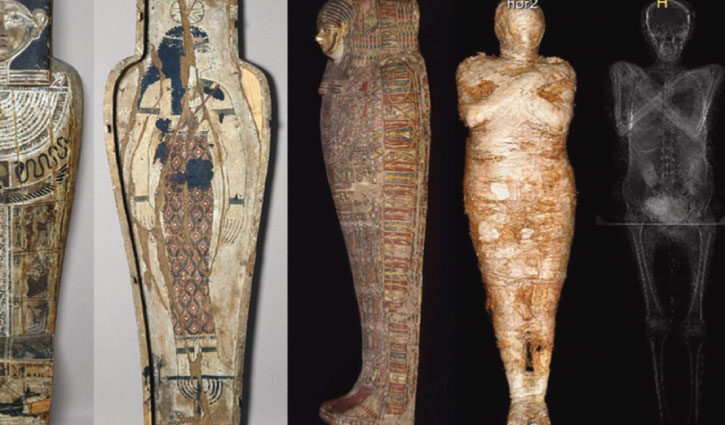
Mummification in Ancient Egypt: A Detailed Overview
1. Preparation Phase:
- The mummification process typically began soon after death. The body underwent a thorough cleaning, and internal organs were removed.
- Internal organs, except for the heart (considered vital for the afterlife), were often treated with natron, a naturally occurring salt, to facilitate preservation.
2. Natron Salt and Drying:
- The body was covered in natron salt. Natron, being a natural sodium carbonate compound, absorbed moisture from the body, aiding in the preservation process.
- The drying process could take several weeks with the goal of desiccating the body for mummification.
3. Surface Cleansing and Anointing:
- After the application of natron, the body was washed and cleaned.
- Mummification specialists then applied a mixture of oil and resin to the surface of the body, aiding in further preservation.
4. Wrapping and Adornment:
- Once the mummification was complete, the body was often wrapped in specially prepared linen bandages.
- Between the layers of bandages, amulets, valuable stones, and symbolic objects were placed to aid the deceased .
5. Coffin and Tomb Preparation:
- The mummified body was placed inside a wooden coffin. Coffins were often intricately decorated, reflecting the social status and wealth of the deceased.
- The body, along with personal belongings and necessities for the afterlife.
6. Tomb Room and Rituals:
- Rituals conducted during mummification were meant to ensure a safe transition of the soul to the afterlife.
- The walls of the tomb room were adorned with paintings and inscriptions depicting the life.
7. Afterlife Beliefs:
- Ancient Egyptians believed that the soul was intricately connected to the body, and proper mummification.
- The rituals conducted in the tomb aimed at assisting the soul in safely reaching .
8. Final Resting Place:
- The mummified body, adorned coffin, and other burial goods were placed in the tomb. The tomb was often designed with chambers for offerings and ritual performances.
- Hieroglyphs and images depicted on the tomb walls conveyed prayers and spells to guide .
Conclusion: Mummification in ancient Egypt was a meticulous process. The preservation of the body, along with elaborate burial rituals and preparations, reflected .
click for more information!