




What is Good for Swollen Eyes and Eye Pain: Eye swelling and eye pain can be caused by various factors, and addressing the underlying cause is essential. However, for general relief, here are some detailed suggestions:
Cold Compress:
- can be particularly soothing. Applying a cold compress or a clean cloth around the affected eye aids in reducing swelling and easing discomfort. It’s advisable, however, to ensure the compress is wrapped in a cloth to prevent direct skin contact.
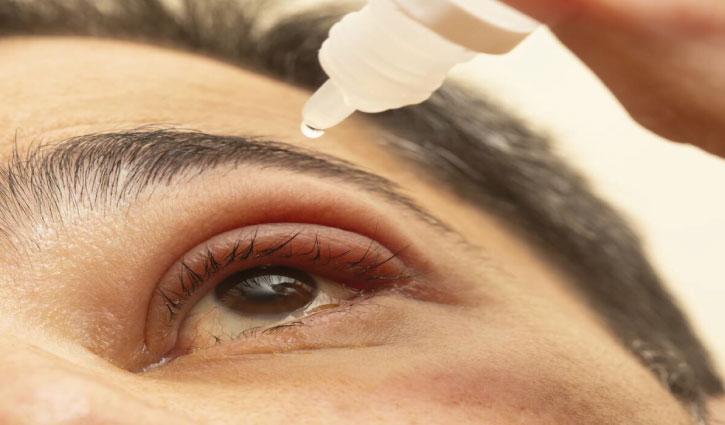
Eye Drops
- : Using lubricating eye drops can moisturize the eyes and relieve pain associated with dryness.However, it’s crucial to consult with a doctor before using them.
Rest and Sleep:
- Getting enough sleep and taking regular breaks to rest your eyes can reduce eye fatigue and, consequently, alleviate pain. Lack of sleep can contribute to eye swelling.
Eyelid Hygiene:
- Keeping the eyelids clean can reduce eye inflammation. Use baby shampoo or an eyelid-cleansing solution to gently clean the eyelids.
Anti-Inflammatory Medications:
- Under a doctor’s guidance, using anti-inflammatory medications can help reduce pain and swelling. Over-the-counter medications should only be used as directed by a healthcare professional.
Allergy and Itch Relief:
- If eye pain and swelling are due to allergies, antihistamines or allergy eye drops may provide relief. However, it’s important to consult a doctor before using any medication.
Warm Compress for Styes:
- If the eye swelling is due to a stye, a warm compress applied to the affected eye can help alleviate symptoms.
Proper Makeup and Contact Lens Care:
- Ensuring that makeup is removed thoroughly and cleaning contact lenses regularly can reduce eye irritation.
Hydration and Nutrition:
- Drinking plenty of water and maintaining a balanced diet rich in vitamins and minerals contribute to overall eye health.
Avoiding Eye Strain:
- Practice the 20-20-20 rule when working on digital devices—take a 20-second break every 20 minutes and look at something 20 feet away to reduce eye strain.
If eye pain and swelling persists or is accompanied by other symptoms, it is important to consult an ophthalmologist. Eye conditions can be serious, and getting a specialist opinion is critical for accurate diagnosis and treatment.
Click for more information!