



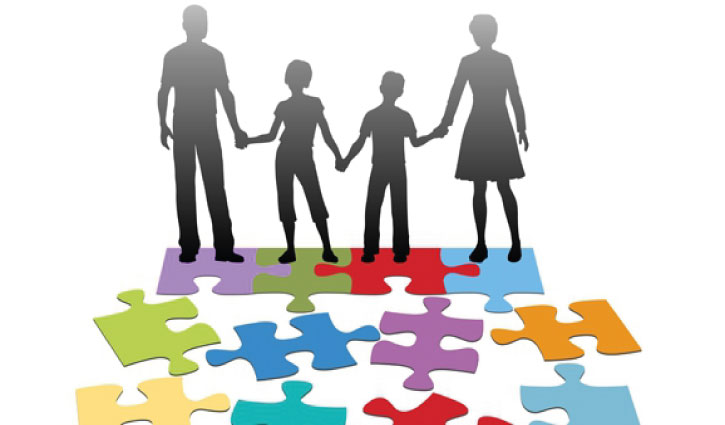
The key role of the family in child development and education: Certainly! The role of the family in a child’s development and education is paramount. Families play a crucial role in shaping a child‘s values, social skills, learning. Here is a detailed exploration of the key roles that families play in the development and education of a child:
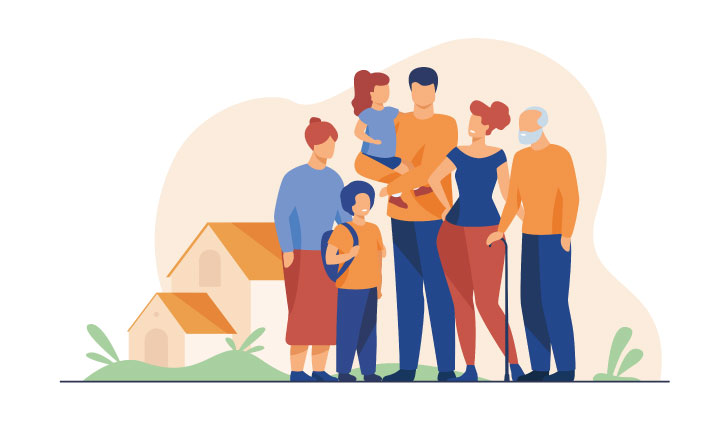
Instilling Core Values:
- Families bear the responsibility of instilling fundamental values in children. Values such as honesty, respect, responsibility, and empathy are imparted by families. It is essential for families to assist children in internalizing these values, fostering their moral .
- Emotional Support:
- Families significantly influence a child’s emotional development. Love, trust, and acceptance contribute to a child’s healthy self-esteem and emotional security. Positive relationships within the family promote emotional balance and well-being.
- Supporting the Learning Environment:
- Families contribute significantly to a child’s education. Supporting the learning environment at home, encouraging reading habits, providing access to learning materials, and .
- Developing Social Skills:
- Families play a crucial role in helping children develop social skills. Teaching sharing, collaboration, and empathy enables children to build healthy relationships with others and succeed.
- Setting Boundaries and Discipline:
- Families teach children the importance of boundaries and rules. A healthy discipline approach helps children understand their responsibilities, encourages positive.
- Active Involvement and Engagement:
- Actively participating in a child’s life, showing interest in their activities, school events, and friendships is essential. This involvement demonstrates to the child that their family cares and supports their endeavors.
- Being Positive Role Models:
- Family members serve as the most influential role models for children. The communication style and behaviors within the family significantly impact a child’s self-confidence.
- Understanding and Embracing Individual Differences:
- Families must comprehend and accept a child’s individual differences. Recognizing and supporting each child’s unique streng development.
It is important to note that a child’s development is a complex process influenced not only by the family but also by environmental . Ideally, families should work in harmony with these factors. The collaboration between families, schools, and communities contributes to a child’s overall well-being and success.
Click for more information!