



Postnatal care, also known as postpartum care, refers to the medical. Emotional support provided to a woman after childbirth. It encompasses a range of activities aimed at ensuring the health. Well-being of both the mother and the newborn during. Initial weeks and months following delivery. This period, often called the postpartum period, typically lasts around six weeks, but it can extend longer depending on individual circumstances.
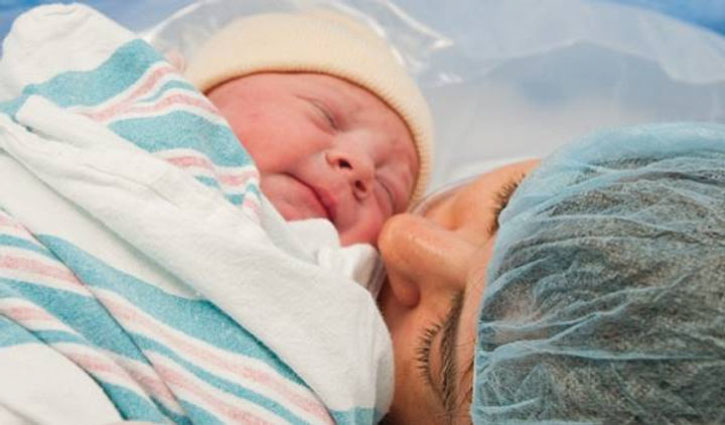
Importance of Postnatal Care:
Physical Recovery:
- Postnatal care is essential for the mother’s physical recovery after childbirth. The body undergoes significant changes during pregnancy and labor. Postpartum care helps facilitate the healing process. It addresses issues such as uterine contraction, wound healing (in the case of cesarean section), perineal care (if there’s a tear or episiotomy). Managing postpartum bleeding (lochia).
Breastfeeding Support:
- Many women require assistance and guidance with breastfeeding during the postnatal period. Postnatal care includes lactation support. Education on proper breastfeeding techniques, positioning, and addressing common breastfeeding challenges. Breastfeeding offers numerous health benefits for both the mother and the baby. Adequate support can enhance the breastfeeding experience.
Emotional Well-being:
- The postnatal period can be emotionally challenging for mothers as they adjust to their new role and cope with hormonal changes. Postnatal care involves emotional support, counseling, and monitoring for signs of postpartum depression and anxiety. Prompt identification and intervention for mental health issues are crucial for the well-being of both the mother and the family.
Newborn Care:
- Postnatal care also encompasses newborn care, including monitoring the baby’s health, growth, and development. It involves education on newborn feeding, sleep patterns, diapering, bathing, and recognizing signs of illness or distress in the baby. Additionally, postnatal care providers assess newborns for congenital anomalies, jaundice, and other health concerns.
Family Planning and Contraception:
- Postnatal care offers an opportunity for discussing family planning options and contraception with the mother. Healthcare providers can provide information on contraceptive methods suitable for postpartum women, considering their individual preferences and health status.
Monitoring for Complications:
- Postnatal care involves monitoring the mother for any postpartum complications, such as infection, hemorrhage, blood clots, or issues related to wound healing. Early detection and management of complications are critical for preventing serious health problems.
Nutritional Support:
- Adequate nutrition is vital for postpartum recovery and breastfeeding success. Includes guidance on healthy eating habits, hydration, and nutritional supplements, especially for breastfeeding mothers who have increased nutritional requirements.
In summary, plays a crucial role in promoting the health. Well-being of mothers. Newborns during the postpartum period. It encompasses physical recovery, breastfeeding support, emotional well-being, newborn care, family planning. Complication monitoring, and nutritional support. Access to comprehensive services is essential for ensuring a smooth transition to motherhood and reducing. Risk of maternal and neonatal complications. Therefore, mothers should prioritize postnatal care. Actively engage with healthcare providers to address their needs and concerns during this critical period.
Click For More Information!!



