



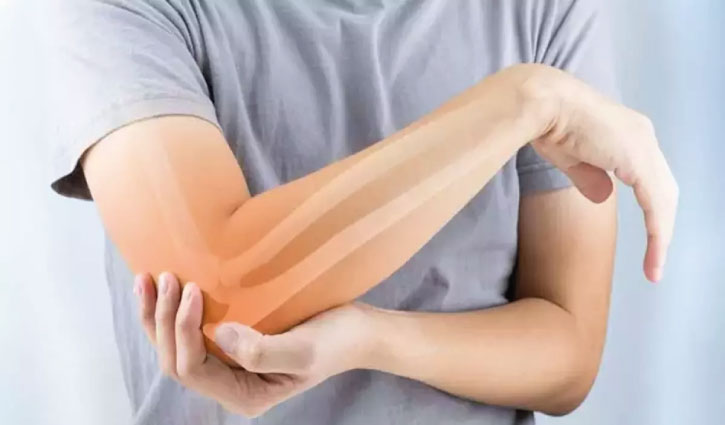
Osteoporosis, commonly referred to as bone resorption. Is a medical condition characterized by a reduction in bone density and deterioration of bone tissue quality, leading to weakened and brittle bones. While it is more prevalent in the elderly population, especially postmenopausal women. Osteoporosis can affect individuals of all ages.
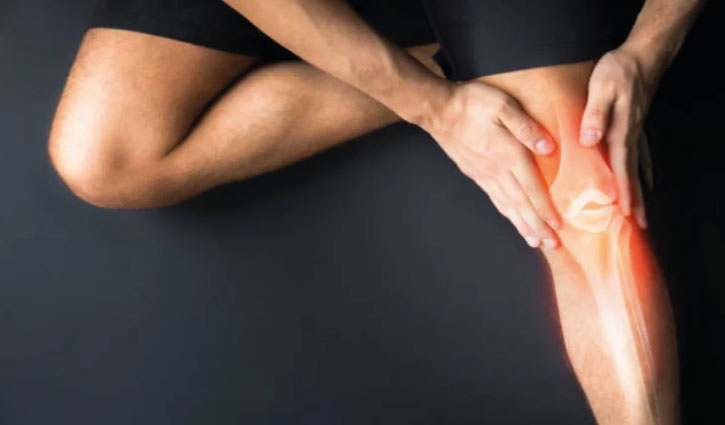
Osteoporosis occurs when the balance between new bone formation and old bone resorption is disrupted, resulting in a net loss of bone mass. Several factors contribute to the development of osteoporosis:
Risk Factor:
- Gender and Age: Women, particularly after menopause, face a higher risk of osteoporosis. Aging is also a key factor as bone density naturally decreases with age.
- Genetic Factors: A family history of osteoporosis can increase an individual’s susceptibility to the condition.
- Low Body Weight and Weak Bone Density: Insufficient body weight can reduce bone density, making individuals more prone to osteoporosis.
- Hormonal Changes: Decreased estrogen levels, especially during menopause, accelerate bone loss.
- Inadequate Calcium and Vitamin D Intake: Calcium and vitamin D are essential for bone health, and deficiencies can elevate the risk of osteoporosis.
- Sedentary Lifestyle: Lack of physical activity and regular exercise can negatively impact bone health.
- Smoking and Excessive Alcohol Consumption: Both smoking and excessive alcohol intake have adverse effects on bone health.
Symptoms:
Osteoporosis often progresses without noticeable symptoms until fractures occur. Common signs and symptoms include:
- Fractures and Microfractures: Weakened bones are more prone to fractures. Especially in the hip, spine, and wrist, often occurring with minimal trauma.
- Height Loss and Poor Posture: Vertebral fractures may result in height reduction and a stooped posture.
- Back and Hip Pain: Fractures in the spine can cause chronic back pain. Hip fractures are common in individuals with.
- Kyphosis: The forward curvature of the spine, known as kyphosis. May develop due to vertebral fractures.
- Weak Bone Density: Testing may reveal low bone mineral density through techniques such as dual-energy X-ray absorptiometry (DEXA).
Diagnosis:
Physicians use various methods to diagnose:
- Advertisement -
- Bone Density Measurement: DEXA is a widely used method to measure bone density.
- Blood Tests: Assessing calcium, phosphorus, and vitamin D levels can provide insights into bone metabolism.
- Imaging Techniques: Computed tomography (CT) scans may be employed to detect and evaluate spine fractures.
Treatment and Prevention: Managing and preventing osteoporosis involve a multidimensional approach:
- Calcium and Vitamin D Supplements: Ensuring adequate daily intake of calcium. Vitamin D is crucial for bone health.
- Physical Activity: Regular weight-bearing exercises help increase bone density and reduce the risk.
- Medications: Doctors may prescribe medications that aid in bone preservation. Reduce the risk of fractures.
- Healthy Nutrition: A balanced diet rich in nutrients supports overall bone health.
- Controlling Risk Factors: Avoiding smoking, limiting alcohol consumption. Maintaining regular health check-ups contribute to osteoporosis prevention.
Is a progressive condition, but early detection and intervention can significantly improve outcomes. Consultation with a healthcare professional. Especially if you have risk factors, is essential for determining personalized preventive measures and treatment options.
Click For More Information!!