



Lung failure, refers to a condition in which respiratory system functions are inadequate. Lung failure is generally a condition in which oxygen exchange and carbon dioxide excretion cannot occur effectively. Can be of two main types: acute and chronic.
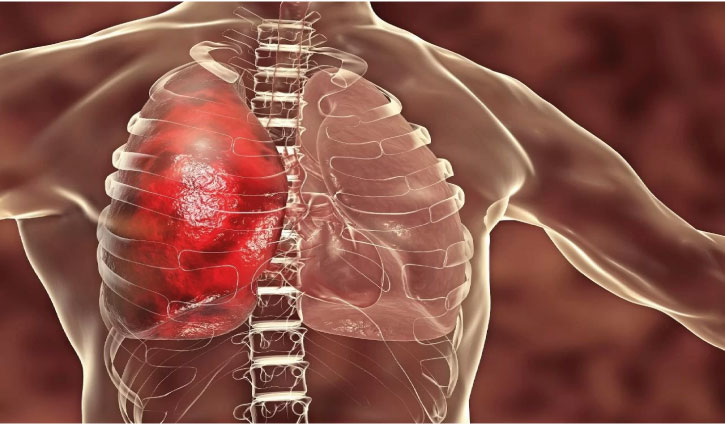
Acute Lung Failure:
- Causes and Risk Factors:
- Lung Infections: Respiratory infections such as pneumonia can lead to acute lung failure.
- Lung Injuries: Trauma, accidents, or other conditions that damage the lungs can result in acute failure.
- Acute Respiratory Distress Syndrome (ARDS): Advanced respiratory distress, often triggered by severe infections or trauma.
- Symptoms and Signs:
- Rapid and shallow breathing, difficulty in taking breaths.
- Severe shortness of breath and rapid heartbeat.
- Cyanosis (bluish discoloration) in the skin and nails.
- High fever and profound fatigue.
- Loss of consciousness (in severe cases).
- Diagnosis and Treatment:
- Diagnosis involves respiratory function tests and imaging techniques (X-rays, CT scans).
- Treatment depends on identifying the underlying cause and may include oxygen therapy, mechanical ventilation, or other supportive measures.
- Antibiotics, anti-inflammatory drugs, and other medications may be used to treat underlying infections or inflammation.
Chronic Lung Failure:
- Causes and Risk Factors:
- Chronic Obstructive Pulmonary Disease (COPD): Smoking is a common cause.
- Interstitial Lung Diseases: Characterized by scarring (fibrosis) in lung tissue.
- Lung Cancer: Tumors that spread to the airways can affect respiratory functions.
- Genetic Factors: Family history or genetic predisposition may increase susceptibility to chronic lung diseases.
- Symptoms and Signs:
- Advanced shortness of breath, especially during physical activity.
- Chronic cough and sputum production.
- Weakness, weight loss, and loss of appetite.
- Chest pain or a feeling of tightness in the chest.
- Clubbing of the fingertips (clubbing).
- Diagnosis and Treatment:
- Diagnosis involves respiratory function tests, lung imaging (CT scans), and sometimes bronchoscopy.
- Treatment is targeted at the underlying disease and may include medications (bronchodilators, corticosteroids), oxygen therapy, and rehabilitation programs.
- In severe cases, lung transplantation may be considered.
In both conditions, early diagnosis and effective treatment are crucial. Treatment plans often involve a multidisciplinary approach, requiring the involvement of a healthcare team that includes patient care. The strategies for treatment may vary based on the type of disease, its stage, and the overall health of the patient.
Click For More Information!!



