



Food Poisoning Symptoms and Prevention Ways Food poisoning is a health problem caused by microorganisms or toxins from the foods people consume. Below is some important information and precautions to understand and prevent food poisoning:
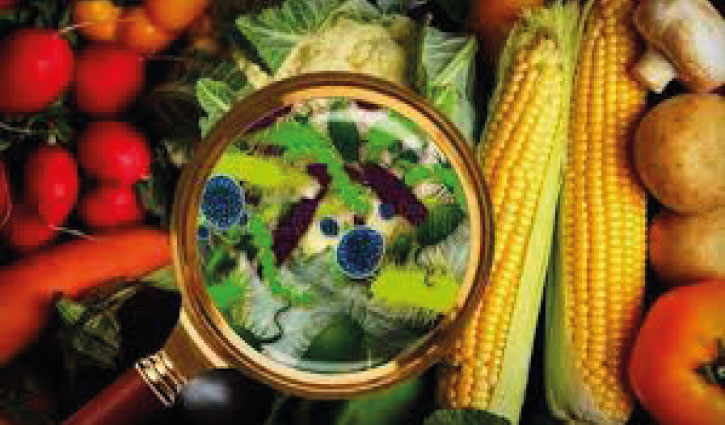
Recognizing and Preventing Food Poisoning:
Understanding Food Poisoning: Food poisoning occurs Recognizing and Preventing Food Poisoning: when harmful bacteria, viruses, parasites, or toxins contaminate food, leading to illness when consumed. Recognizing the signs and taking preventive measures are crucial for maintaining food safety.
Symptoms of Food Poisoning:
- Stomach Discomfort:
- Abdominal pain
- Cramps
- Diarrhea and Abdominal Pain:
- Severe diarrhea
- Abdominal pain
- Fever and Chills:
- Elevated body temperature
- Shivering and chills
- Vomiting:
- Sudden and severe vomiting
- Repeated expulsion of stomach contents
- Headache:
- Intense headache
- Dizziness
- General Weakness:
- Fatigue
- Loss of energy
- Weakness
- Muscle Aches:
- Muscle pain and weakness
- Thirst and Dryness:
- Dry mouth
- Sensation of thirst
- Rapid Pulse and Respiration:
- Fast heart rate
- Rapid breathing
- Dehydration Symptoms:
- Reduced urine output
- Dark-colored urine
- Nausea and Loss of Appetite:
- Loss of appetite
- Constant feeling of nausea
Preventing Food Poisoning:
- Advertisement -
- Adhere to Cleanliness Practices:
- Wash hands thoroughly before and after food preparation.
- Keep cutting boards, knives, and kitchen equipment clean.
- Regularly clean kitchen surfaces.
- Safe Food Storage:
- Separate raw and cooked foods.
- Rapidly cool and refrigerate hot foods.
- Pay attention to expiration dates.
- Handle Raw Meat and Seafood with Care:
- Cook raw meats and seafood thoroughly.
- Keep raw meat and seafood separate from other items and clean equipment thoroughly.
- Consume Well-Cooked Foods:
- Ensure that meats, poultry, and seafood are cooked thoroughly.
- Exercise caution with raw or undercooked eggs, opting for pasteurized egg products.
- Safe Water Consumption:
- Consume water from reliable sources.
- Regularly test and monitor water sources.
- Be Cautious When Dining Out:
- Choose restaurants that adhere to cleanliness standards.
- Avoid raw or undercooked seafood, eggs, and meats when dining out.
- Personal Hygiene:
- Wash hands after using the restroom.
- Avoid food preparation when you are ill.
- Food Safety Education:
- Acquire knowledge of basic food safety principles.
- Consider receiving education on food safety practices.
Food poisoning symptoms should prompt immediate medical attention, especially for severe cases. While mild cases can often be managed at home, consulting a healthcare professional is crucial. Maintaining vigilance in food preparation, storage, and consumption practices significantly reduces the risk of food poisoning.
Click for more information!