



The Theory of Evolution is a scientific framework developed by Charles Darwin in the mid-19th century, which explains the complexity and diversity of life through natural selection. Although formulated by Darwin, modern evolutionary biology has built upon this foundational theory. Evolution elucidates the variation among organisms. Their ability to adapt under environmental pressures, and the changes in heritable traits across generations.
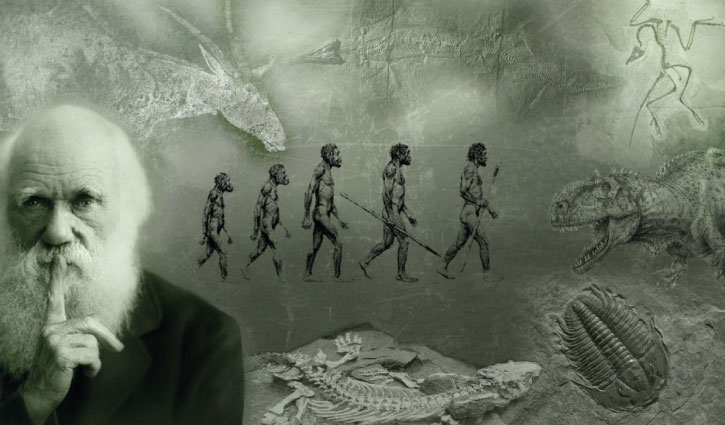
The Evolutionary History of Humanity:
- The Theory of Evolution posits that humans evolved from a common ancestor with other species. The broad outline of human evolution suggests that primates share a common ancestor and that modern humans evolved approximately 200,000 years ago in Africa. Human species diversified across different geographical regions in the past, undergoing various evolutionary pressures leading to differentiation.
Evolutionary Genetics and Adaptation:
- Evolution occurs through mechanisms such as genetic variation and natural selection. Genetic variation allows for the emergence of individuals with different heritable traits among organisms. Natural selection, on the other hand, ensures that certain variations confer better reproductive success under environmental conditions, facilitating adaptation to the surroundings.
Implications in Medicine and Health Sciences:
- The Theory of Evolution plays a crucial role in medicine and health sciences. Understanding the evolved characteristics of the human body aids in comprehending the causes and treatments of diseases. For instance, some diseases are associated with genetic predisposition. Which can be linked to evolutionary history.
Biodiversity and Environmental Conservation:
- Evolutionary theory aids in understanding the relationships between species. Impacts of environmental changes on them. This understanding is vital for conserving biodiversity and preserving natural habitats sustainably. Additionally, comprehending the complexity of species interactions. Ecosystems is essential for the sustainable management of natural resources.
Cultural and Social Implications
- The Theory of Evolution explains that human behaviors and cultural traits are products of an evolving process. This enhances our understanding of human behaviors and societal structures. Furthermore, Evolutionary Theory helps understand human interactions with other living organisms and their impact on the environment.
Education and Science Communication
- Evolutionary Theory is at the core of science education and communication. It fosters scientific thinking skills, emphasizes evidence-based reasoning, and promotes hypothesis testing. Moreover, it facilitates the interaction of scientific discoveries and advancements with society.
Relationship with Religion and Philosophy
- Evolutionary Theory has sparked various discussions in religion and philosophy. While its scientific explanations may conflict with some religious. Philosophical beliefs, they can also be reconciled with them. Therefore, Evolutionary Theory has been an integral part of intellectual discussions in religion and philosophy.
These elements elucidate the significant role of. Theory of Evolution throughout human history, deepening humanity’s understanding of nature and the universe.
Click For More Information!!