



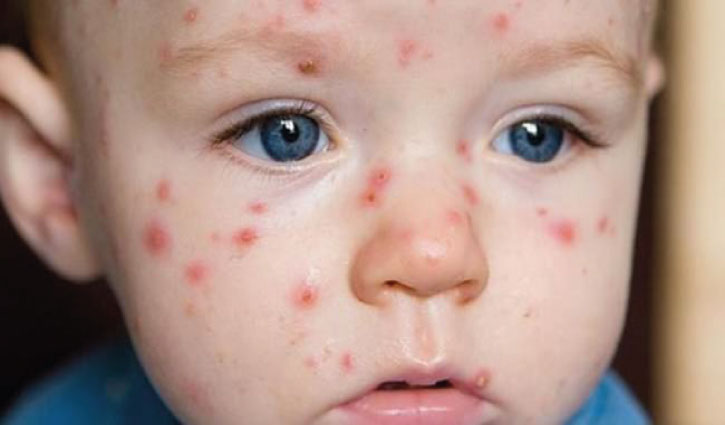
Chickenpox, caused by the Varicella-zoster virus (VZV), is a highly contagious infectious disease. While commonly associated with childhood, it can affect individuals of all ages. This detailed overview explores the various aspects of chickenpox, including symptoms, transmission, complications, prevention, treatment, and its impact on public health.
Symptoms:
- Rash: Typically begins with a red rash that spreads across the body. The rash evolves into fluid-filled blisters over time.
- Itching: The blisters can cause intense itching, a discomfort that is a hallmark of the disease.
- Fever: Often induces fever, a response of the body’s immune system to the viral invasion.
- Headache and Malaise: Headaches and a general feeling of unwellness commonly accompany chickenpox as part of the immune response.
Transmission and Spread:
- Is highly contagious and can spread through respiratory droplets or direct contact with the fluid from the blisters.
- The contagious period begins before the rash appears and continues until the blisters crust over.
Complications:
- While most cases of chickenpox are mild, serious complications can arise, especially in immunocompromised individuals. These may include pneumonia, encephalitis, and other secondary infections.
Vaccination and Prevention:
- Vaccination is a highly effective preventive measure against chickenpox. The two-dose vaccine is recommended for children and is also available for adults.
- Vaccination not only reduces the risk of contracting the disease but also tends to make the course of the illness milder.
Treatment and Care:
- Usually resolves on its own, but symptomatic relief can be achieved through various means.
- Anti-itch lotions, antihistamines, and pain relievers can help alleviate symptoms.
- Good personal hygiene and avoiding scratching are crucial to prevent secondary infections.
Reporting and Public Health Impact:
- Is a notifiable disease in many countries. Requiring healthcare providers to report cases to public health authorities.
- Monitoring and reporting contribute to controlling the spread of the disease and maintaining community health.
Although often perceived as a routine childhood illness, can have serious implications. Vaccination stands as a key strategy in preventing the disease and mitigating its impact. Understanding its symptoms, transmission dynamics. Potential complications is essential for individuals, healthcare providers, and public health officials alike. Regular vaccination, coupled with effective reporting. Monitoring, plays a crucial role in managing and preventing the spread of chickenpox within communities.
Click For More Information!!




, is a highly contagious infectious disease. While commonly associated with childhood,..)