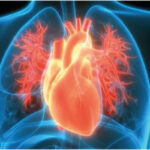




Chest Pain: Causes, Symptoms and Treatment Chest pain is a significant and potentially alarming symptom that can originate from various sources. While not all chest pain indicates a heart–related issue, it is crucial to be aware of the diverse factors associated with it and appropriate responses. Here is an in–depth exploration of what you need to know about chest pain:
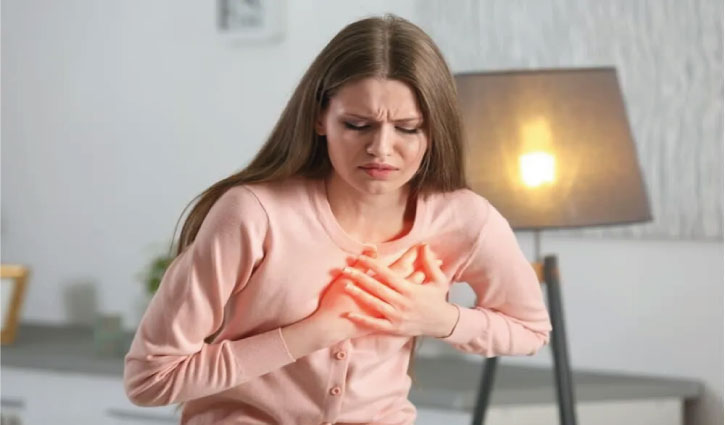
1. Types and Characteristics of Chest Pain:
- Cardiac Chest Pain:
- Respiratory or Digestive-Related Chest Pain:
- May manifest as a burning, stabbing, or pressure sensation.
- Associated with activities such as breathing or digestion.
2. Severity of Pain:
- Sudden and severe chest pain may signal a potential heart attack.
- Is the pain constant, or does it occur intermittently?
3. Associated Symptoms:
- Cardiac-Related Symptoms:
- Shortness of breath, cold sweats, nausea, vomiting.
- Respiratory-Related Symptoms:
- Coughing, difficulty breathing.
- Digestive-Related Symptoms:
- Acid reflux, indigestion.
4. Risk Factors and Medical History:
- Does the individual have risk factors like heart disease, diabetes, or high blood pressure?
- Any history of similar symptoms in the past?
5. Physical Activity:
- Is the pain associated with specific physical activities like breathing or walking?
6. Emergency Signs:
- Sudden, severe pain, especially radiating to the left arm, jaw, neck, or back, requires immediate medical attention.
- Shortness of breath, fainting, or loss of consciousness are urgent signs.
Responses to Chest Pain:
1. Call for Emergency Medical Assistance:
- In the event of chest pain, calling emergency services (911 or local emergency number) is crucial.
2. Avoid Unnecessary Movement:
- Advertisement -
- Restrict unnecessary movement to prevent exacerbating the condition.
3. Comfortable Positioning:
- Seat the person in a comfortable position, and loosen tight clothing.
4. Use of Nitroglycerin (As Prescribed):
- Individuals with a history of heart conditions may use prescribed nitroglycerin as directed by a doctor.
5. Aspirin Use (As Prescribed):
- Chewing or swallowing aspirin (if recommended by a doctor) can help prevent blood clotting.
Remember:
- Chest pain is a serious symptom, and any delay in seeking medical help can pose life-threatening risks.
- Information provided here is for general knowledge; consulting a healthcare professional is essential for personalized advice.
Understanding and promptly responding to chest pain are vital for ensuring the best possible outcomes. Always prioritize professional medical evaluation for accurate diagnosis and appropriate intervention.
Click for more information!