



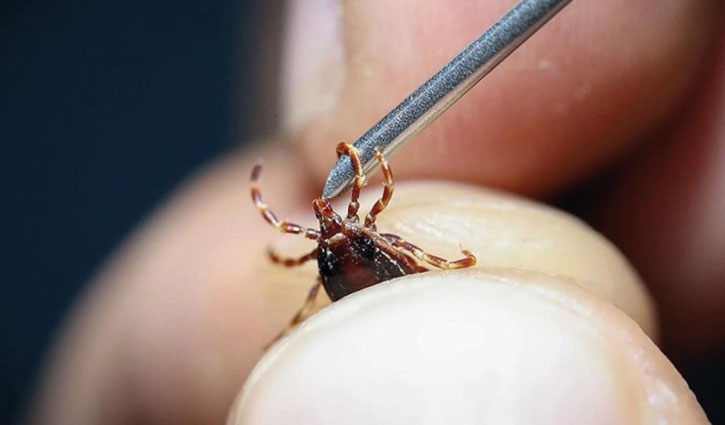
What Is Good For Tick Bite How Do We Remove Ticks From Our Body :Tick bites usually occur as a result of ticks attached to humans in rural areas, forested areas or places with high grass. What is good for tick bites and how to remove ticks from our body:

1. Removing the Tick:
- Proper removal of a tick is essential to minimize the risk of infection. Follow these steps:
- Use fine-tipped tweezers to grasp the tick as close to the skin’s surface as possible.
- With steady, even pressure, pull upward without twisting or jerking to avoid leaving mouthparts embedded in the skin.
- After removal, clean the bite area. Your hands with rubbing alcohol or soap and water.
- Avoid crushing the tick with your fingers, as this can release harmful bacteria.
2. Treating the Bite Area:
- After removing the tick, wash the bite area with soap and water.
- Apply an antiseptic solution to the bite area to prevent infection.
- Use a cold compress or anti-itch cream to relieve any discomfort or itching.
- Keep an eye on the bite area for any signs of infection. Such as increasing redness, swelling, or warmth.
3. Seeking Medical Attention:
- Consult a healthcare professional if you experience symptoms such as fever, rash, headache, joint pain, or flu-like symptoms after a tick bite.
- If you develop a bullseye rash or other unusual symptoms, seek medical attention promptly, as this could be a sign of Lyme disease or another tick-borne illness.
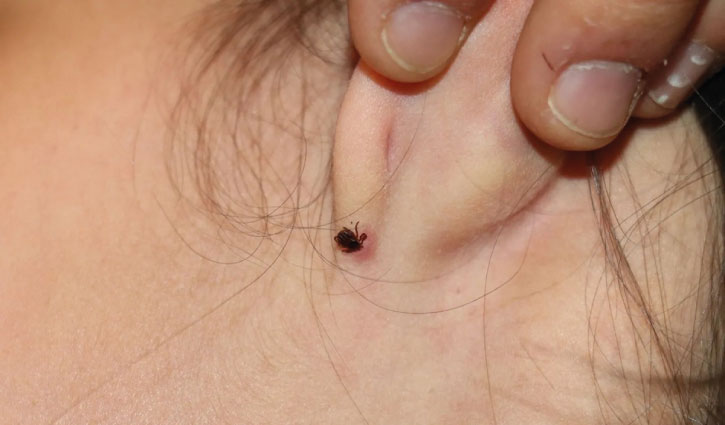
Preventive Measures Against Tick Bites:
1. Avoiding Tick-Infested Areas:
- Stay away from densely wooded or grassy areas, especially during peak tick activity times in spring and summer.
- Stick to cleared paths and trails when hiking or walking in tick-prone areas.
2. Wearing Protective Clothing:
- Wear light-colored, long-sleeved shirts, long pants, and closed-toe shoes to minimize exposed skin.
- Tuck pants into socks or boots and wear a hat to further protect against tick bites.
3. Using Tick Repellents:
- Apply insect repellents containing DEET or permethrin to exposed skin and clothing.
- Follow product instructions carefully and reapply as necessary, especially if spending extended periods outdoors.
4. Performing Tick Checks:
- Conduct thorough tick checks on yourself, your children, and pets after spending time outdoors.
- Pay close attention to areas where ticks are likely to attach, such as the scalp, behind the ears, along the hairline, underarms, groin, and behind the knees.
Taking these preventive measures and promptly. Correctly removing ticks can help reduce the risk of tick-borne illnesses and complications associated with tick bites. If you have any concerns or develop symptoms after a tick bite. Consult a healthcare provider for further evaluation and guidance.
Click For More Information!!