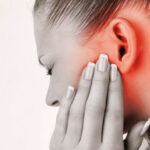



Migraine is a recurring neurological disorder characterized by throbbing and often debilitating headaches. These headaches are typically unilateral, severe, and pulsating in nature. Migraine attacks are frequently accompanied by symptoms such as nausea, vomiting. Heightened sensitivity to light and sound. The duration of a migraine attack can range from a few hours to up to three days, significantly impacting an individual’s daily life.
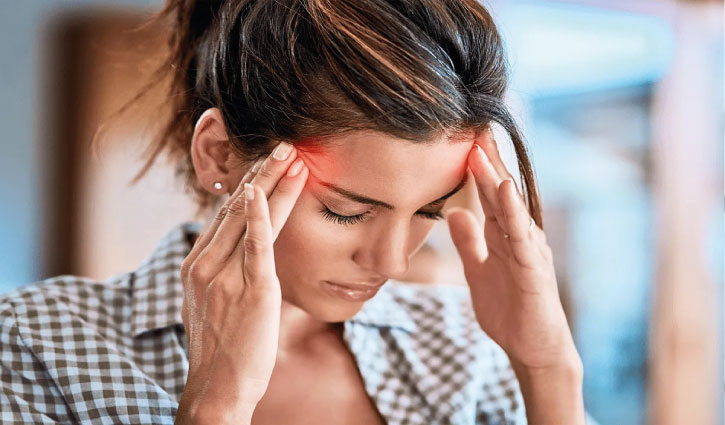
Causes: While the exact cause of migraines remains unclear, a combination of genetic, environmental, and hormonal factors is believed to play a role. Triggers can include hormonal changes, stress, lack of sleep, specific foods, alcohol, and environmental factors.
Symptoms :
- Headache: Typically severe and pulsating, often affecting one side of the head.
- Nausea and Vomiting: Commonly accompany the headache during a attack.
- Sensitivity to Light and Sound: Increased sensitivity to environmental stimuli during a episode.
- Aura and Non-Aura Migraines: Some individuals experience a set of symptoms called aura before or during a migraine attack.
Treatment and Management:
- Medications:
- Pain Relievers: Nonsteroidal anti-inflammatory drugs (NSAIDs) or triptans are commonly used during migraine attacks.
- Preventive Medications: For individuals experiencing frequent. Severe migraines, doctors may prescribe medications to prevent their occurrence.
- Lifestyle Changes:
- Regular Sleep: Ensuring sufficient and regular sleep can reduce the frequency of migraine attacks.
- Stress Management: Techniques to manage stress can help prevent migraines triggered by stress.
- Regular Exercise: Physical activity has been shown to be beneficial in preventing migraines.
- Diet and Nutrition:
- Avoidance of Trigger Foods: Some individuals find relief by avoiding certain trigger foods such as chocolate, caffeine, and cheese.
- Balanced Diet: A healthy and balanced diet can contribute to overall migraine prevention.
- Alternative Therapies:
- Acupuncture: Acupuncture has shown promise in alleviating migraine symptoms for some individuals.
- Biofeedback: Techniques such as monitoring biological feedback (temperature, heart rate) can assist in migraine prevention.
- Advanced Treatment Options:
- Neurostimulation Devices: Electrical stimulation devices have been developed to alleviate migraine symptoms.
- Botox Injections: In some cases, Botox injections have proven effective in preventing migraines.
It’s important to note that each individual’s experience with migraines is unique. Effective treatment methods can vary. Seeking guidance from a healthcare professional to tailor a personalized treatment plan is crucial for managing migraines effectively. Early intervention and a comprehensive approach involving lifestyle modifications, medications. Alternative therapies can significantly improve the quality of life for those affected by migraines.
Click For More Information!!