



Earthquake is a natural event that occurs due to the sudden release of energy by rocks in the earth’s crust, usually at weak points in the earth’s crust. This release of energy is a result of stresses, cracks or sliding movements in the earth’s crust. What to do during an earthquake is important to ensure the safety of people and minimize possible risks.
1. Stay Calm:2. Drop, Cover, and Hold On:3. Stay Indoors:4. Stay Away from Windows and Heavy Furniture:5. If You Are in Bed:6. Doorways are Not Always Safe:7. If You Are Outside:8. If You Are Driving:9. Elevators are Not Safe:10. Be Prepared for Aftershocks:11. If Indoors, Avoid Doorways:12. If Trapped, Signal for Help:13. Protect Your Head and Neck:14. After the Shaking Stops:15. Have an Emergency Kit:
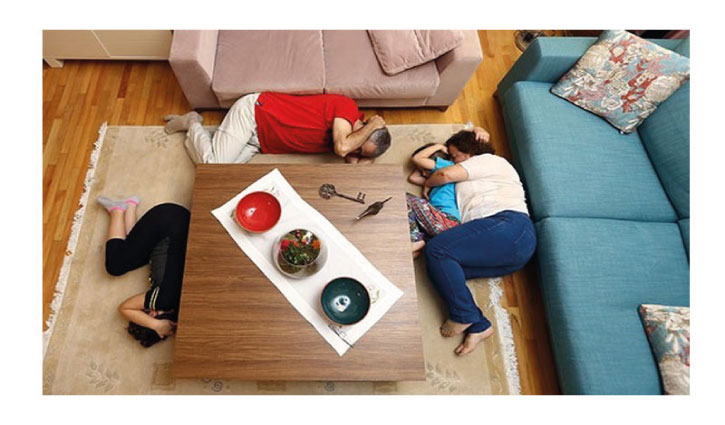
1. Stay Calm:
- Remain calm and try to keep a clear head. Panic can hinder your ability to make rational decisions.
2. Drop, Cover, and Hold On:
- Drop to the ground to prevent being knocked over.
- Take cover under a sturdy piece of furniture, such as a table or desk, to protect yourself from falling objects.
- Hold on to your shelter until the shaking stops.
3. Stay Indoors:
- If you are indoors, stay there. Do not run outside during the shaking, as falling debris poses a significant risk.
4. Stay Away from Windows and Heavy Furniture:
- Avoid windows, glass, and heavy furniture that may shatter or topple during the quake.
5. If You Are in Bed:
- Stay in bed and protect your head with a pillow. Do not attempt to run or exit the building.
6. Doorways are Not Always Safe:
- Contrary to popular belief, doorways are not always the safest places. Take cover under furniture instead.
7. If You Are Outside:
- Move to an open area away from buildings, streetlights, utility wires, and trees. Drop to the ground and cover your head.
8. If You Are Driving:
- Pull over to a safe location away from overpasses, bridges, and buildings.
- Remain inside your vehicle until the shaking stops.
9. Elevators are Not Safe:
- Do not use elevators during an earthquake; they may become stuck, and there is a risk of power failure.
10. Be Prepared for Aftershocks:
- Aftershocks may follow the main quake. Be prepared for additional shaking and take necessary precautions.
11. If Indoors, Avoid Doorways:
- Contrary to popular belief, standing in a doorway is not recommended. Drop, cover, and hold on instead.
12. If Trapped, Signal for Help:
- If you are trapped, tap on a pipe or wall to alert rescuers of your location. Use a whistle if available.
13. Protect Your Head and Neck:
- If no shelter is available, protect your head and neck with your arms and take cover against an interior wall.
14. After the Shaking Stops:
- Be cautious of potential hazards, such as broken glass and fallen objects.
- Check yourself and others for injuries and administer first aid if needed.
- Listen to a battery-powered or hand-cranked radio for emergency information.
15. Have an Emergency Kit:
- Keep an emergency kit with essential supplies, including water, non-perishable food, flashlight, first aid kit, and important documents.
Remember, earthquake preparedness is crucial. Regularly review and practice emergency plans with your family or cohabitants. Stay informed about earthquake safety measures in your region and follow local authorities’ guidelines.
Click For More Information!!



