



Did You Know That Logic and thoughts are different? People have many different factors that affect their thought and logic processes, and these factors can vary greatly between individuals.
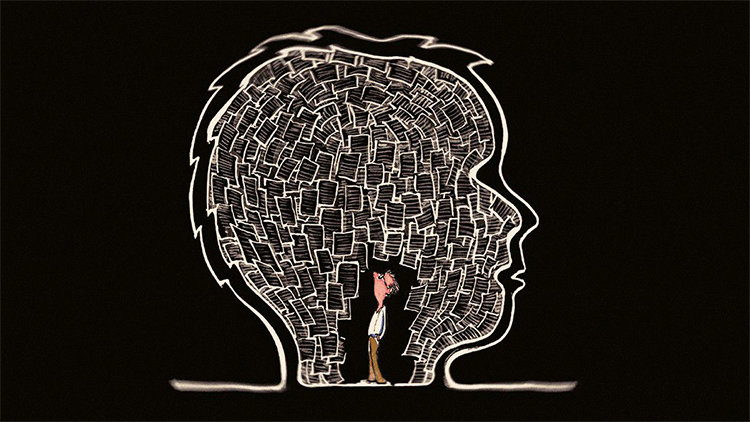
Individual Experiences:
- Each person goes through unique life experiences that shape their thought processes. These experiences can lead to different perspectives and approaches to problem–solving. For example, someone who has
Education and Learning:
- Education plays a significant role in shaping an individual’s thinking and logical abilities. People with varying levels of education may develop different analytical thinking skills. For instance, someone with a college education may approach problems differently than someone with only a primary school education.
Cultural Factors:
- Culture has a profound influence on an individual’s thought processes. These cultural differences can result in diverse approaches to reasoning.
Genetic and Biological Factors:
- Human intelligence and cognitive abilities have a genetic component. Additionally, brain chemistry and structure can influence cognitive processes.
Personal Beliefs and Values:
- Everyone has unique personal beliefs and values that shape their thought processes. These beliefs can impact decision-making and logic.
Emotional States:
- An individual’s emotional state can significantly affect their thought and logic. People under stress may make more emotional or irrational decisions, whereas those in a calm state of mind may think more logically.
Cognitive Styles:
- People have different cognitive styles when processing information and solving problems. Some individuals may have a preference for analytical thinking, while others may gravitate towards holistic or creative approaches.
Social Interactions:
- Continuous interaction with their environment and society influences how people develop their thought processes. Social interactions, discussions, and exposure to various ideas can shape and change an individual’s thinking patterns.
The culmination of these various factors results in the uniqueness of each person’s thought and logic. This diversity is valuable to society as it fosters a wide range of perspectives, problem-solving approaches, and creative ideas. Moreover, it encourages richer and more profound discussions and collaborations among individuals with differing viewpoints.
Click for more information!