



The relationship between neuroscience and artificial intelligence is deep and complementary. The interaction of these two disciplines and the functions of neuroscience:
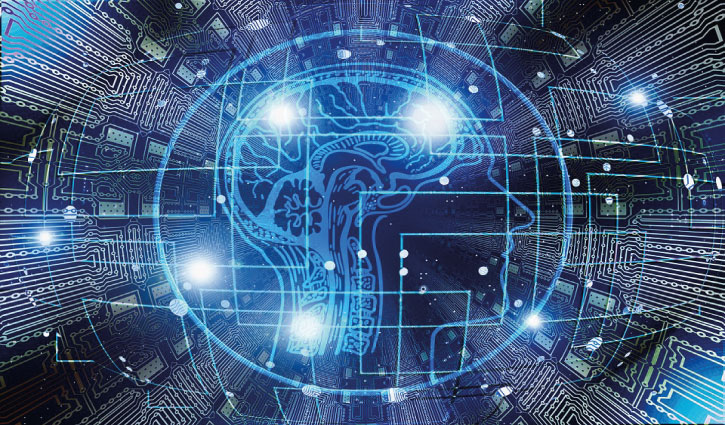
Neuroscience: What is it and What is its Purpose?
Neuroscience is a multidisciplinary field that studies the structure, function, and mechanisms of the nervous system. It encompasses various sub-disciplines such as neuroanatomy, neurophysiology, neurobiology, and neurochemistry. Neuroscience aims to understand the complex workings of the brain, spinal cord, and peripheral nervous system.
Neuroscience serves several important purposes:
- Medicine and Health: Neuroscience research contributes to understanding the causes. Effects of brain diseases and disorders, leading to the development of treatments and rehabilitation methods. Research on neurological conditions like Alzheimer’s, Parkinson’s, and epilepsy falls within the scope of neuroscience.
- Education: Neuroscience provides insights into learning processes and memory. Which can be applied to optimize learning methods and educational materials.
- Psychology: Neuroscience bridges behavioral and cognitive psychology by integrating human behaviors and mental processes with their biological foundations. This integration helps explore the neurobiological origins of mental health disorders.
The Connection Between Neuroscience and Artificial Intelligence
Artificial intelligence (AI) involves the emulation of human intelligence processes by computer systems. Due to its focus on understanding how the brain works. Neuroscience has a natural connection with artificial intelligence. Neuroscience develops techniques for data collection, imaging, and analysis to understand brain function. These data can then be utilized for training and modeling artificial intelligence systems.
- Advertisement -
One common intersection between AI and neuroscience is the field of deep learning. Deep learning models artificial neural networks with multiple layers. Mimicking the processing capabilities of biological neurons in the human brain.
Artificial intelligence also finds applications in neuroscience research. For instance, brain imaging techniques and big data analysis can aid in creating brain maps. Understanding complex brain functions. AI algorithms analyzing vast amounts of brain data could help develop new methods for diagnosing and treating brain disorders.
In conclusion, the relationship between neuroscience and artificial intelligence offers significant potential for advancing our understanding of the brain and developing AI technologies. The convergence of these disciplines could lead to breakthroughs in medicine, technology, education, and psychology.
Click For More Information!!