



How should nutrition be during pregnancy: A balanced and healthy diet during pregnancy is extremely important for the health of the expectant mother and the baby. How should nutrition be during pregnancy:
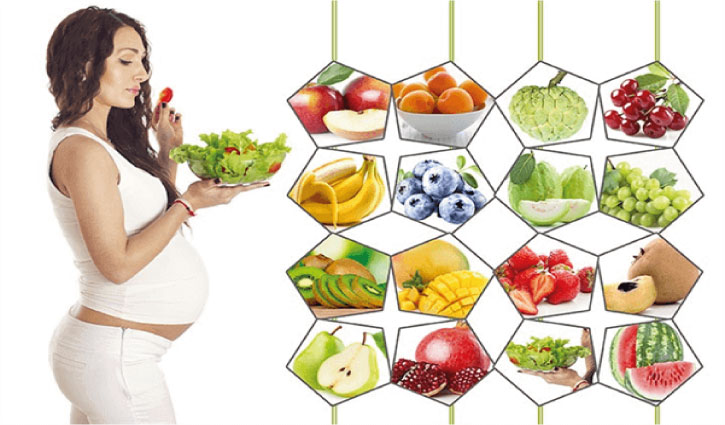
1. Include a Variety of Food Groups:
During pregnancy, it’s important to consume adequate amounts of each major food group:
- Proteins: Sources such as meat, fish, poultry, eggs, dairy products, and legumes are essential for the development of your baby’s tissues and muscles.
- Fruits and Vegetables: Colorful fruits and vegetables are rich in vitamins, minerals, and fiber. Aim to include a variety of fruits and vegetables in your meals each day.
- Whole Grains: Whole grains like brown rice, whole wheat bread, and oats are rich in fiber, B vitamins, and iron. Fiber-rich foods support digestive health and increase feelings of fullness.
- Healthy Fats: Healthy fats found in olive oil, avocado, fish, nuts, and seeds are crucial for your baby’s brain development. However, it’s important to limit saturated and trans fats.
- Dairy Products: Milk, yogurt, and cheese are rich in calcium and protein. Supporting your baby’s bone and teeth development.
2. Take Folic Acid and Iron Supplements:
Taking folic acid and iron supplements before and during pregnancy is important. Folic acid aids in the development of your baby’s spine and brain. While iron increases both your and your baby’s blood volume.
3. Stay Hydrated:
Drinking an adequate amount of water throughout the day is crucial during pregnancy. Pregnancy increases your metabolism and your body may need more water. Besides water, you can also opt for healthy beverages such as milk, freshly squeezed fruit juice, or herbal tea.
- Advertisement -
4. Ensure Food Safety and Avoid Toxic Substances:
Being mindful of food safety during pregnancy is essential. Avoid raw or undercooked meat, seafood, unpasteurized dairy products, and raw eggs. Additionally, steer clear of alcohol, caffeine, and cigarettes, as they can pose risks to your baby’s health.
5. Portion Control and Healthy Weight Gain:
Avoiding excessive weight gain and ensuring healthy weight gain during pregnancy is important. Monitor your weekly weight gain and practice portion control to avoid overeating.
It’s important to consult with a healthcare professional or a registered dietitian to develop a personalized nutrition plan during pregnancy. Every pregnant woman’s needs are different. So personalized guidance can help ensure you’re meeting your nutritional requirements for a healthy pregnancy.
Click For More Information!!