



Dandruff is a common condition characterized by itchy, white or gray flakes on the scalp. This condition, known as seborrheic dermatitis, is often caused by an inflammatory response in the scalp due to overactive oil glands. Dandruff tends to be a chronic, recurring condition influenced by various factors throughout one’s life.
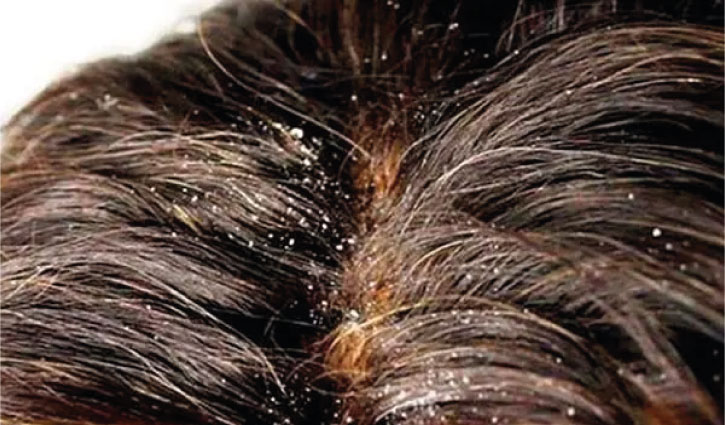
Symptoms:
- White or Gray Flaking: White or gray flaky rashes on the scalp.
- Itching: Itching is one of the most common symptoms of dandruff.
- Oily Skin: Dandruff formation is common with oily skin.
- Redness: Redness and irritation may occur on the scalp.
Causes:
- Malassezia Fungus: The Malassezia fungus, naturally present on the scalp, plays a significant role in dandruff formation. Overgrowth of this fungus can lead to itching and flaking.
- Sebum Overproduction: Individuals with oily skin may experience excessive sebum production. Creating an environment conducive to the proliferation of Malassezia fungus.
- Genetic Predisposition: Genetic factors that run in families can contribute to an individual’s susceptibility.
- Stress and Hormonal Changes: Stress, hormonal fluctuations, and psychological factors can exacerbate formation.
- Poor Hair Care: Inadequate hair washing or using inappropriate hair care products can contribute.
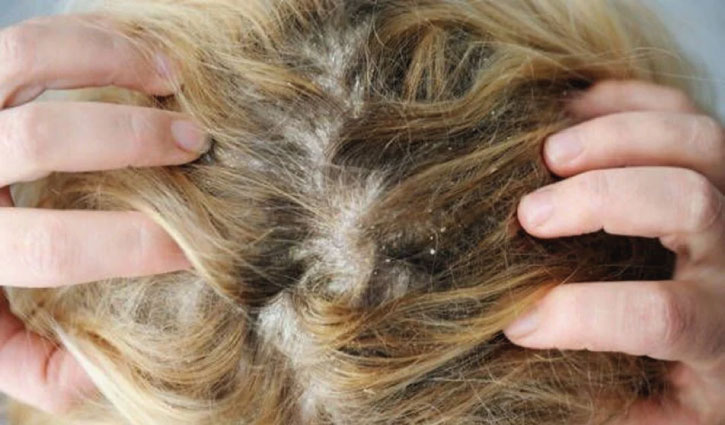
Prevention Strategies:
- Proper Hair Care:
- Regularly washing hair helps remove excess oil and dead skin cells, reducing the likelihood of dandruff formation.
- Specialized Shampoos:
- Using anti-dandruff shampoos containing active ingredients like ketoconazole, salicylic acid, or zinc pyrithione can help control the growth of Malassezia fungus.
- Balanced Nutrition:
- A well-balanced diet that includes omega-3 fatty acids from sources like fish. Nuts can positively impact scalp health.
- Stress Management:
- Techniques such as yoga, meditation, or other relaxation activities can aid in stress reduction, minimizing its impact on dandruff.
- Avoiding Harsh Hair Products:
- Choosing hair care products suitable for your hair type helps maintain the scalp’s balance. Reduces the risk of dandruff.
- Regular Scalp Massages:
- Gently massaging the scalp while washing hair can improve blood circulation. Help prevent the accumulation of dead skin cells.
- Consulting a Dermatologist:
- If symptoms persist or worsen, seeking advice from a dermatologist or healthcare professional is crucial. Professional assessment can lead to tailored treatment methods.
Dandruff can often be managed with home-based preventive measures. However, for persistent or severe cases, seeking professional guidance ensures an accurate diagnosis. The implementation of effective treatment strategies.
Click For More Information!!